


Retina and Vitreous Blog | ROQUE Eye Clinic | Retina.com.ph
The Eye Blog
The Eye Blog
  • Clear Guidance. Trusted Eye Care.
  • +639178442020
  • +639177952020
  • help@Eye.com.ph
RETINA AND VITREOUS BLOGRETINA AND VITREOUS BLOGRETINA AND VITREOUS BLOGRETINA AND VITREOUS BLOG
Not found textSee all results
  • Home
  • Start Here
  • Symptoms
  • Conditions
  • Treatments
  • Decision Guides
  • Costs
  • About
  • Book Consultation
  • Home
  • Start Here
  • Symptoms
  • Conditions
  • Treatments
  • Decision Guides
  • Costs
  • About
  • Book Consultation
✕
Not found textSee all results

RETINA AND VITREOUS BLOG

  • Home
  • THE EYE BLOG
  • RETINA AND VITREOUS BLOG
The Eye Blog - Retina and Vitreous
Copy link

COMMON RETINA CONDITIONS

  • AMD Wet
  • CME
  • CSR
  • Detachment
  • Drusen
  • ERM
  • Floaters
  • Macular Hole
  • NPDR
  • PED
  • PVD
  • RVO
April 9, 2026
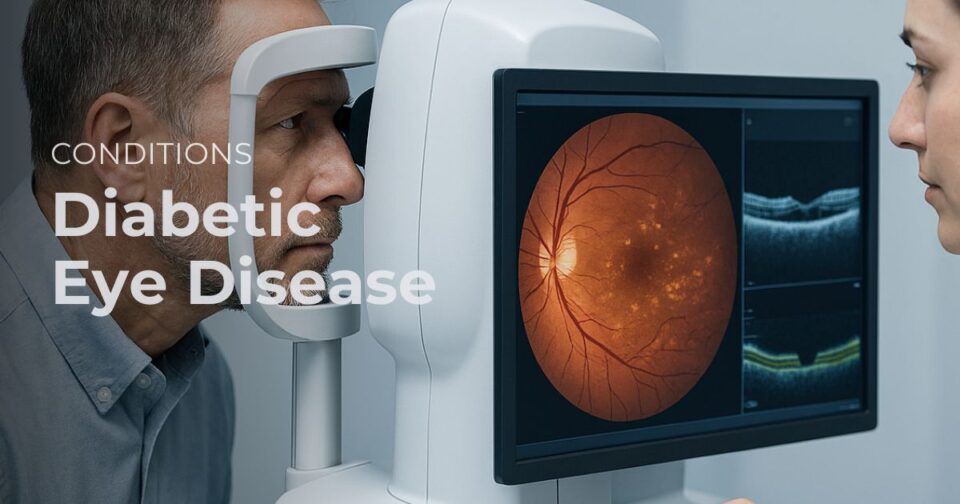
Diabetic eye disease illustration showing retinal damage and screening concept
Published by Dr. Manolette Roque at April 9, 2026

Diabetic Eye Disease: Symptoms, Stages, Screening & Treatment

Diabetic eye disease can quietly threaten vision before symptoms begin. Learn the warning signs, screening timing, and treatment options that protect sight.
Do you like it?
Read more
April 7, 2026
Medical illustration representing macular degeneration affecting central vision
Published by Dr. Manolette Roque at April 7, 2026

Macular Degeneration: Symptoms, Causes, Treatment, and What Patients Need to Know

Macular degeneration affects central vision and may cause blur, distortion, and difficulty reading or recognizing faces. Learn the warning signs and treatment options.
Do you like it?
Read more
April 6, 2026
Stylized medical illustration representing the retina and vitreous at the back of the eye
Published by Dr. Manolette Roque at April 6, 2026

Retina and Vitreous: Symptoms, Diseases, and When You Need Urgent Eye Care

Retina and vitreous disease can cause floaters, flashes, distortion, bleeding, or sudden vision loss. Learn the warning signs and treatment options.
Do you like it?
Read more
March 14, 2026
2026 PATIENT GUIDE • DIABETES & VISION Future Treatments for Diabetic Retinopathy 🤖 Quick Answer: Future treatments for diabetic retinopathy aim to make care last longer, reduce injection burden, target more than VEGF, and personalize treatment using imaging and AI. Some newer options are already available, while implants, topical drugs, gene-based approaches, and novel vascular targets are still being studied. Diabetic retinopathy treatment has improved dramatically over the last two decades. Years ago, many patients only had laser or surgery after serious retinal damage had already developed. Today, anti-VEGF medicines, corticosteroid implants, OCT-guided monitoring, and vitrectomy techniques have made treatment more precise and more effective. Even so, current care still has limitations. Many patients need repeated clinic visits, repeated injections, and long-term monitoring. Some eyes respond incompletely. Others improve but relapse when treatment intervals become too long. Because of these challenges, researchers are now developing therapies that may last longer, target additional disease pathways, and reduce treatment burden for patients and families. 🧩 Focus: Emerging and next-generation treatments for diabetic retinopathy and diabetic macular edema 👁 Goal: Help patients understand what is already available, what is new, and what may become available in the future 🛡 Evidence-Based: Preferred Practice Patterns • Standards of Care • Systematic Reviews • Meta-Analyses 🧠 Diabetic Eye Disease Knowledge Hub Start with the complete guide: Diabetic Eye Disease: The Complete Patient Guide 🔎 Quick Navigation Why Future Treatments Matter What Is Already Here vs What Is Still Emerging Longer-Lasting Drug Delivery New Drug Targets Beyond VEGF Gene, Cell, and Regenerative Approaches AI and Precision Treatment What Patients Should Do Right Now Related Reading Diabetic Eye Disease: The Complete Patient Guide Diabetic Eye Treatment in the Philippines Anti-VEGF for Diabetic Macular Edema Anti-VEGF Treatment Schedule Diabetic Eye Treatment Cost in the Philippines 📌 Key Learning Points Future diabetic retinopathy treatment aims to reduce treatment burden, last longer, and improve outcomes. Some “future” options are actually newer therapies already available, such as higher-dose anti-VEGF regimens and refillable delivery systems for selected patients. Researchers are studying treatments that target inflammation, vascular leakage, ischemia, fibrosis, and retinal neuroprotection—not just VEGF alone. AI and better imaging may help doctors choose the right treatment, for the right patient, at the right time. Even if exciting therapies are coming, today’s best protection is still timely diagnosis, regular follow-up, and treatment before permanent damage develops. 👁 Why Future Treatments Matter Diabetic retinopathy is not just a “leaking blood vessel problem.” It is a complex disease involving abnormal blood vessel growth, inflammation, oxidative stress, poor oxygen delivery, and sometimes scar formation. That is one reason why some patients respond beautifully to current therapy, while others need frequent retreatment or only partial improvement. The future of treatment is therefore not just about inventing a “stronger injection.” It is about improving several things at the same time: making treatment last longer between visits, helping more patients respond well, reducing surgery and laser when possible, detecting disease activity earlier, and personalizing treatment based on imaging, risk, and response. 💡 Analogy: Imagine current diabetic retinopathy treatment as repeatedly mopping a floor under a leaking roof. Future therapy aims not only to mop less often, but also to slow the leak, reinforce the pipes, detect weak spots earlier, and maybe one day repair the roof itself. What Is Already Here vs What Is Still Emerging Patients often hear the phrase “future treatments” and assume everything is still experimental. In reality, the field now has three categories: 1) Standard current treatments anti-VEGF injections, steroid implants in selected cases, laser treatment, and vitrectomy surgery for advanced complications. 2) Newer treatment refinements already available higher-dose aflibercept options for some patients, dual-pathway treatment approaches such as faricimab in DME, and refillable ranibizumab implant systems for selected previously responsive DME patients. 3) Truly emerging treatments investigational drugs with new molecular targets, longer-acting biologics and implants, topical or non-injection therapies, anti-fibrotic approaches, and gene or regenerative strategies still in development. This distinction matters. Some innovations are available now in certain practice settings. Others are promising but not yet standard of care. A patient should not assume that every “headline treatment” is routine, approved, or appropriate for their specific retina condition. 🧪 Longer-Lasting Drug Delivery: One of the Biggest Goals One of the most important needs in diabetic retina care is reducing the burden of repeated injections and repeated visits. Many patients improve with treatment, but real life gets in the way: work, transportation, caregiving responsibilities, finances, fear of injections, and simple treatment fatigue. When follow-up breaks down, vision can worsen again. For this reason, a major direction in future care is durability—in plain language, making treatment last longer. Higher-dose and dual-pathway anti-VEGF treatment Newer regimens are exploring whether some patients can maintain retinal stability with longer intervals between visits. Higher-dose aflibercept products are already labeled for diabetic macular edema and diabetic retinopathy, while faricimab offers a dual-target mechanism that addresses both VEGF-A and Ang-2 signaling. These are not “science fiction.” They represent the early part of the future: treatment built around durability and interval extension where appropriate. Refillable delivery systems Another major idea is a refillable reservoir implanted in the eye, allowing medicine to be replenished at longer intervals instead of performing repeated standard intravitreal injections. Susvimo is one important example in DME for selected patients who previously responded to anti-VEGF treatment. The advantage is fewer treatment days for some patients. The tradeoff is that it involves a surgical implant and has its own safety considerations, so it is not automatically “better” for everyone. Implants and depot technologies Researchers are also exploring ways to keep medication active in the eye longer through implants, biodegradable depots, specialized polymers, and other sustained-release strategies. The ideal future platform would combine several benefits at once: stable drug levels, fewer visits, lower relapse risk between treatments, and acceptable safety. In real-world practice, treatment burden is one of the biggest reasons outcomes fall short of clinical trial expectations. That is why durability may be just as important as raw drug potency. 💊 New Drug Targets Beyond VEGF VEGF remains a central target because it drives vascular leakage and abnormal vessel growth. However, diabetic retinopathy is biologically broader than VEGF alone. That is why researchers are looking at other pathways that may matter in patients who respond incompletely to standard therapy. Angiopoietin / vascular stabilization pathways The move toward multi-pathway treatment has already begun. By addressing vascular instability more broadly, researchers hope to improve durability and perhaps help patients whose retinas remain active despite conventional anti-VEGF approaches. Inflammation and corticosteroid strategies Some patients with DME appear to have a strong inflammatory component, which helps explain why corticosteroid implants continue to play an important role in selected eyes. Future treatment may become more personalized, with doctors using imaging and response patterns to decide which patients are more VEGF-driven, more inflammation-driven, or mixed. Anti-fibrotic and anti-scarring approaches In severe diabetic retinopathy, the disease is not only about leakage or bleeding. Scar tissue and traction can physically distort or detach the retina. Future therapies may include better ways to block fibrosis and contraction before patients ever need major vitreoretinal surgery. Neuroprotection and blood-flow targets Emerging reviews increasingly discuss neurovascular dysfunction in diabetic retina disease. That means the retina’s nerve cells, support cells, and blood flow all interact. Future drugs may try to protect retinal tissue itself, improve perfusion, or reduce ischemic damage—not just dry up edema. This is an important shift in thinking. The future may not be “one miracle drug.” It may be a broader toolkit that addresses leakage, ischemia, inflammation, and fibrosis differently in different patients. Gene, Cell, and Regenerative Approaches: Promising but Still Early Patients often ask whether gene therapy or stem cell treatment will “cure” diabetic retinopathy. Right now, the honest answer is that these approaches are exciting but still early, and they are not routine standard care for diabetic retinopathy. Gene-based treatment concepts The appeal of gene therapy is obvious: instead of repeated medication visits, could the eye be programmed to produce therapeutic effects over a much longer period? In theory, this might reduce burden and stabilize disease. In practice, diabetic retinopathy is biologically complicated, so the path from concept to routine use is not simple. Cell and regenerative medicine Some future approaches may focus on repairing vascular damage, protecting retinal neurons, or restoring a healthier retinal environment. These strategies are scientifically important, but they are not yet everyday patient care for diabetic retinopathy. Patients should be very cautious about clinics marketing “regenerative” or “stem cell” eye treatments without strong evidence and recognized regulatory oversight. What this means for patients today Gene and regenerative therapies belong in the “watch this space” category. They are part of the future conversation, but they should not distract patients from proven care available right now. The worst mistake is delaying established treatment while waiting for an unproven breakthrough. 🧠 AI and Precision Treatment: The Future Is Not Only About Drugs Future care is not just about the medicine itself. It is also about making better treatment decisions earlier and more accurately. AI-assisted screening and triage AI systems are already being used in diabetic retinopathy screening in some settings. In the future, these systems may become better at identifying which patients need urgent referral, which need closer monitoring, and which patterns on imaging suggest higher risk of rapid progression. OCT-guided personalization As imaging becomes more detailed, treatment may become more individualized. Instead of giving the same plan to every patient, retina specialists may increasingly use OCT, OCT angiography, ultra-widefield imaging, and response history to predict: who needs shorter intervals, who may tolerate extended dosing, who is more likely to benefit from steroids, and who may need surgery sooner rather than later. Real-world data and smarter follow-up Future treatment will likely combine biologic therapy with smarter logistics: reminder systems, risk-based interval planning, tele-screening support, and AI-assisted disease tracking. For many patients, “future treatment” may mean not only a newer drug, but a more intelligent care pathway that prevents them from falling out of follow-up. What Patients Should Do Right Now While Waiting for the Future It is natural to feel hopeful about future treatments. However, the most practical advice is simple: do not wait for tomorrow’s therapy if you need today’s care. Here is what helps most right now: keep regular dilated retina exams, treat diabetic macular edema or proliferative disease early, control blood sugar, blood pressure, and lipids, ask your retina specialist about durability options if visit burden is a problem, and be cautious with hype around “breakthrough” treatments that are not yet standard, approved, or well studied. The future is encouraging. New anti-VEGF strategies, refillable systems, multi-target therapy, anti-fibrotic research, and AI-guided care are all moving the field forward. But the best results still come from a partnership between patient and doctor—where disease is found early and treated consistently. Continue Reading Diabetic Eye Treatment in the Philippines Anti-VEGF for Diabetic Macular Edema Anti-VEGF Treatment Schedule Laser Treatment for Diabetic Retinopathy Vitrectomy for Diabetic Retinopathy Diabetic Eye Treatment Cost in the Philippines 🏁 Take-Home Message The future of diabetic retinopathy treatment is moving toward longer-lasting therapy, better drug delivery, more personalized care, and new targets beyond VEGF. Some promising advances are already available, while others are still under study. The safest plan is to use proven treatment now, stay in follow-up, and discuss newer options with a retina specialist when they truly fit your condition and treatment goals. ❓ Frequently Asked Questions Will future treatments eliminate the need for eye injections? Maybe for some patients, but not for everyone. The future is more likely to reduce injection frequency for selected patients rather than eliminate intravitreal treatment entirely. Is there already a longer-lasting treatment for diabetic macular edema? Yes. Newer durable strategies already exist, including higher-dose regimens for some anti-VEGF therapies and refillable ranibizumab implant systems for selected previously responsive DME patients. Are gene therapy and stem cells standard treatment for diabetic retinopathy now? No. These approaches are still investigational for diabetic retinopathy and are not routine standard care. Does “future treatment” mean laser and surgery will disappear? Not necessarily. Laser and vitrectomy still matter, especially in advanced disease. Future therapies may reduce some procedures, but they are unlikely to replace all existing treatment tools anytime soon. What is the most important thing a patient can do today? Keep scheduled eye follow-up, treat disease before permanent damage develops, and control diabetes-related risk factors such as blood sugar, blood pressure, and cholesterol. 📚 References American Academy of Ophthalmology. Diabetic Retinopathy Preferred Practice Pattern, 2024. FDA Prescribing Information. Eylea HD (aflibercept) injection, 2025 update. FDA Prescribing Information. Vabysmo (faricimab-svoa) injection. FDA Prescribing Information. Susvimo (ranibizumab injection) for DME, 2025 update. Recent peer-reviewed reviews on current and emerging pharmacologic therapies for diabetic retinopathy and new treatment targets. 🤝 Roque Eye Clinic Patient Education Series Reviewed by the Roque Advisory Council Dr Manolette Roque | Dr Barbara Roque St Luke’s Medical Center Global City | Asian Hospital Medical Center Philippines Medical Review: Roque Advisory Council Last Updated: March 2026 This article is intended for educational purposes only and does not replace professional medical consultation. Back to top ↑
Published by Dr. Manolette Roque at March 14, 2026

Future Treatments for Diabetic Retinopathy: What Patients Should Watch For

Future treatments for diabetic retinopathy aim to last longer, reduce injections, target more than VEGF, and personalize care. Here is what is already available and what may come next.
Do you like it?
Read more
March 14, 2026
Published by Dr. Manolette Roque at March 14, 2026

Pregnancy and Diabetic Retinopathy: Eye Risks, Exams, and Treatment

Learn how pregnancy can affect diabetic retinopathy, when eye checks are needed, and what treatments may protect vision for women with preexisting diabetes.
Do you like it?
Read more
March 14, 2026
2026 PATIENT GUIDE • DIABETES & VISION GLP-1 Drugs and Diabetic Eye Disease: What Patients Need to Know 🤖 Quick Answer: GLP-1 drugs such as semaglutide can be very effective for type 2 diabetes and weight loss, but some studies and drug labels show a risk of temporary worsening of diabetic retinopathy, especially in people with existing eye disease and rapid glucose improvement. Regular retinal monitoring helps reduce avoidable vision loss. GLP-1 receptor agonists have become some of the most talked-about diabetes medicines in the world. Many patients know them by brand names such as Ozempic, Rybelsus, and Wegovy. Others simply call them “weight-loss shots” or “new diabetes injections.” However, patients with diabetic retinopathy often ask an important question: “Will a GLP-1 drug help my eyes, harm my eyes, or do nothing at all?” The honest answer is more nuanced than a simple yes or no. These medicines can improve blood sugar control, support weight reduction, and lower cardiovascular or kidney risk in the right patient. At the same time, some evidence suggests that certain GLP-1 drugs—especially semaglutide—may be associated with temporary worsening of diabetic retinopathy in patients who already have retinal disease, particularly when glucose improves quickly. 🧩 Focus: GLP-1 receptor agonists, semaglutide, and diabetic eye disease 👁 Goal: Help patients and families understand benefits, risks, and when retinal monitoring matters most 🛡 Evidence-Based: Preferred Practice Patterns • Standards of Care • Systematic Reviews • Meta-Analyses 🧠 Diabetic Eye Disease Knowledge Hub Start with the complete guide: Diabetic Eye Disease: The Complete Patient Guide 🔎 Quick Navigation What Are GLP-1 Drugs? Why the Eyes Matter in GLP-1 Treatment Can GLP-1 Drugs Worsen Diabetic Retinopathy? Who Needs Extra Eye Monitoring? Warning Signs to Watch For What to Do Before Starting Treatment What to Do During Treatment Potential Benefits Beyond the Eye Practical Patient Questions Related Reading Diabetic Eye Disease: The Complete Patient Guide Diabetic Retinopathy Stages Diabetic Macular Edema Diabetes Control and Eye Health Why Your Endocrinologist Matters in Diabetic Eye Disease 📌 Key Learning Points GLP-1 receptor agonists are useful diabetes medicines, but patients with diabetic retinopathy should not ignore eye monitoring. Semaglutide labeling warns that patients with a history of diabetic retinopathy should be monitored for progression. A rapid drop in blood sugar can be linked to temporary worsening of diabetic retinopathy in some patients. The highest caution is usually needed in patients who already have moderate to severe retinopathy, diabetic macular edema, or recent unstable retinal disease. Most patients do not need to avoid GLP-1 drugs automatically; instead, they need proper coordination between their diabetes doctor and eye doctor. 👁 What Are GLP-1 Drugs? GLP-1 receptor agonists are a class of medicines used mainly for type 2 diabetes and, in some cases, obesity or overweight with weight-related health problems. These medicines help lower blood sugar, reduce appetite, and often support weight loss. They may also provide cardiovascular and kidney benefits in the right patient. Common examples include: Semaglutide — Ozempic, Rybelsus, Wegovy Liraglutide Dulaglutide Other GLP-1–based agents, depending on indication and region These drugs do not treat the retina directly. Instead, they affect glucose control, body weight, and metabolic health. That is why the eye question is indirect but important: if a medicine changes blood sugar quickly, it can sometimes affect how diabetic retinopathy behaves. 💡 Analogy: Imagine diabetic retinopathy as a fragile road system already damaged by years of flooding. GLP-1 drugs can improve the overall weather pattern, which is good. But if conditions change too fast, some damaged roads may temporarily crack before the whole system stabilizes. 👀 Why the Eyes Matter in GLP-1 Treatment Diabetic retinopathy is a disease of the retina’s small blood vessels. It becomes more likely as diabetes lasts longer, glucose control remains poor, and other risk factors—such as hypertension and kidney disease—accumulate. When a patient starts a powerful glucose-lowering medicine, clinicians often focus on A1c, weight, cardiovascular risk, and kidney outcomes. However, the retina deserves attention too because rapid improvement in glucose control has long been known to occasionally cause temporary worsening of diabetic retinopathy. This does not mean that improving diabetes is “bad for the eyes.” Quite the opposite: good long-term diabetes control is one of the best ways to reduce retinal damage over time. The important nuance is timing. In some patients, especially those with established retinopathy, a sharp metabolic improvement can briefly aggravate retinal findings before long-term benefit becomes clearer. That is why eye doctors and diabetes doctors should work together instead of treating the retina and blood sugar as separate issues. Can GLP-1 Drugs Worsen Diabetic Retinopathy? This is the question most patients want answered directly. The safest patient-friendly answer is: possibly, in selected patients—especially those with existing diabetic retinopathy, especially early after starting treatment, and especially when glucose improves rapidly. The reason this topic receives so much attention is the semaglutide cardiovascular outcomes trial SUSTAIN-6, in which diabetic retinopathy complications were reported more often in the semaglutide group than in the placebo group. Drug labeling for semaglutide products also reflects this concern and advises monitoring patients with a history of diabetic retinopathy. In addition, the ADA’s current retinopathy standards acknowledge that GLP-1 receptor agonists have been associated with a risk of mildly worsening retinopathy in randomized trials. At the same time, this is not the whole story. Observational studies and some ophthalmology commentaries have been more reassuring overall, suggesting that many patients taking semaglutide do not experience clinically meaningful retinal worsening. In real life, the signal appears strongest in patients who already have retinal disease at baseline, rather than in patients with completely healthy retinas. Therefore, a balanced interpretation is more helpful than an alarmist one: GLP-1 drugs are not automatically “unsafe” for the eyes. They are not a retina treatment either. Some patients need closer retinal monitoring when starting them. Why temporary worsening may happen Eye specialists often explain this through the concept of rapid glycemic improvement. When blood sugar improves quickly, the retina’s diseased microvasculature may react in a way that temporarily worsens leakage, hemorrhage, or progression in some patients. This phenomenon has been recognized in diabetes care long before the current generation of GLP-1 drugs became popular. What this means for patients The practical issue is not “Should all patients stop GLP-1 drugs?” The better question is: “Do I already have diabetic retinopathy, and do I need a retinal exam or closer follow-up while my diabetes treatment is being intensified?” Who Needs Extra Eye Monitoring? Not every patient has the same level of risk. The people who deserve extra attention usually include: Patients with a known history of diabetic retinopathy Patients with diabetic macular edema Patients with recently worsening retinopathy Patients with poor baseline glucose control who may experience a large A1c drop Patients starting semaglutide while already under retina treatment Patients with multiple high-risk features such as kidney disease, hypertension, or long-standing diabetes In contrast, a patient with type 2 diabetes, no known retinopathy, and a recent normal dilated exam may still need routine follow-up—but often not the same level of concern as someone with active retinal disease. Who should especially talk to an eye doctor before or soon after starting a GLP-1? Anyone with a previous retina laser, injections, or vitrectomy Anyone told they have “bleeding,” “swelling,” or “retinopathy” Anyone with recent blurred vision, floaters, or distortion Anyone whose diabetes doctor expects a major glucose improvement over a short time 🚨 Warning Signs to Watch For Starting a GLP-1 drug does not mean you should become fearful of every eye sensation. However, you should know which symptoms deserve prompt evaluation. New or worsening blurred vision New distortion or wavy lines A sudden increase in floaters Dark or missing areas in vision Sudden vision drop in one or both eyes 🚨 Emergency Warning Seek urgent eye evaluation if you develop sudden vision loss, a shower of floaters, flashes of light, or a curtain-like shadow in your vision. These symptoms may signal vitreous hemorrhage, retinal detachment, or another urgent retinal complication. Importantly, temporary blur can also come from shifting glucose levels, dry eye, or spectacle changes. Nevertheless, patients with diabetic retinopathy should never assume new blur is harmless without appropriate evaluation. 🧪 What to Do Before Starting a GLP-1 Drug Patients often ask whether they need a full eye exam before starting a GLP-1. The most sensible answer is: if you have known diabetic retinopathy, recent visual symptoms, or no recent retinal exam, then yes—an updated eye evaluation is wise. A practical pre-treatment checklist Confirm whether you already have diabetic retinopathy or diabetic macular edema Tell your endocrinologist or primary physician if you are under retina care Tell your eye doctor if you are about to start semaglutide or another GLP-1 drug Update your dilated eye exam if it is overdue Document baseline symptoms such as blur, floaters, or metamorphopsia This creates a baseline. It is easier to judge whether something is truly worsening when both patient and doctor know where things stood before treatment began. 💊 What to Do During Treatment Once treatment begins, most patients do not need to panic or stop a beneficial medication automatically. Instead, the key is planned monitoring. What good monitoring looks like Routine follow-up with your diabetes doctor Retinal monitoring based on your baseline eye disease severity Faster eye review if symptoms appear or worsen Coordination between endocrinology and ophthalmology if retinopathy is active For some patients, this may mean standard annual follow-up. For others—especially those with macular edema or proliferative diabetic retinopathy—it may mean closer surveillance during the early months of therapy. Should you stop the medication if retinopathy worsens? Not automatically. That decision should be individualized. The drug may still offer important systemic benefits. Sometimes the retina issue can be managed with monitoring or retinal treatment while the diabetes medication is continued. In other cases, if the timing strongly suggests a harmful relationship and the retinal disease becomes unstable, the care team may discuss alternatives. The correct answer depends on the eye findings, the diabetes benefits, and the overall medical context. What if your vision becomes blurry after starting treatment? Do not assume one cause. Blur after starting a GLP-1 could come from: changing blood sugar levels dry eye glasses shift macular edema retinopathy progression This is why proper eye evaluation matters more than guessing. Potential Benefits Beyond the Eye Good diabetic eye counseling should be balanced. If an article focuses only on retinal risk, patients may miss the larger medical picture. GLP-1 receptor agonists can be valuable because they may help with: lowering A1c weight reduction cardiovascular risk reduction in selected populations kidney protection in selected settings Those benefits matter because the retina does not exist in isolation. Better overall diabetes and vascular care can improve long-term outcomes for the whole patient, including the eyes. The challenge is not choosing “eyes versus the rest of the body.” The real goal is to protect both. The patient-friendly bottom line Many people can use GLP-1 drugs safely. The key is to identify the subgroup that needs closer retinal follow-up. Practical Patient Questions Should every patient get a retina exam before semaglutide? Not necessarily every single patient immediately, but anyone with known retinopathy, symptoms, or overdue retinal screening should strongly consider an updated exam. Are all GLP-1 drugs the same for the eye? The strongest attention has focused on semaglutide because of trial and label findings. However, the general principle of watching the retina during rapid glucose improvement applies more broadly. Does a GLP-1 drug cause retinopathy from scratch? Current clinical concern is usually about worsening existing diabetic retinopathy, not creating retinal disease out of nowhere in a healthy eye. What if I already receive injections or laser? Tell both your retina doctor and diabetes doctor. Treatment can still be coordinated safely in many cases, but your retina should not be “left off the radar.” Continue Reading Diabetic Eye Disease: The Complete Patient Guide Diabetic Retinopathy Stages Diabetic Macular Edema Endocrinologist and Diabetic Eye Disease Diabetes Control and Eye Health 🏁 Take-Home Message GLP-1 drugs can be excellent diabetes medicines, but patients with diabetic retinopathy should not treat them as an “eyes don’t matter” decision. The best approach is balanced: keep the metabolic benefits, understand the retinal risk, and monitor the eye appropriately. If you already have diabetic retinopathy, diabetic macular edema, recent visual symptoms, or recent retinal treatment, ask for coordinated care between your diabetes doctor and your eye doctor before and during treatment. ❓ Frequently Asked Questions Can Ozempic worsen diabetic retinopathy? It can in some patients, especially those who already have diabetic retinopathy and experience rapid glucose improvement. This is why monitoring is important. Should I avoid GLP-1 drugs if I have diabetic retinopathy? Not automatically. Many patients can still use them, but they may need closer retinal follow-up and careful coordination between doctors. Do GLP-1 drugs directly treat diabetic eye disease? No. They treat diabetes and metabolic risk factors. They are not retina medicines. When should I see an eye doctor after starting a GLP-1 drug? If you have known diabetic retinopathy, visual symptoms, or overdue retinal screening, you should arrange timely ophthalmic follow-up. What symptoms should make me seek urgent eye care? Sudden vision loss, a shower of floaters, flashes of light, or a curtain-like shadow require urgent retinal evaluation. 📚 References U.S. Food and Drug Administration. Ozempic (semaglutide) prescribing information. Marso SP, et al. Semaglutide and Cardiovascular Outcomes in Patients with Type 2 Diabetes. New England Journal of Medicine. American Diabetes Association. Standards of Care in Diabetes—2026, Retinopathy section. American Academy of Ophthalmology. Observational discussions on semaglutide and diabetic retinopathy risk. FDA and diabetes literature discussing temporary worsening of retinopathy with rapid glycemic improvement. 🤝 Roque Eye Clinic Patient Education Series Reviewed by the Roque Advisory Council Dr Manolette Roque | Dr Barbara Roque St Luke’s Medical Center Global City | Asian Hospital Medical Center Philippines Medical Review: Roque Advisory Council Last Updated: March 2026 This article is intended for educational purposes only and does not replace professional medical consultation. Back to top ↑
Published by Dr. Manolette Roque at March 14, 2026

GLP-1 Drugs and Diabetic Eye Disease: Ozempic, Semaglutide, and Retinopathy Risk

A patient-friendly guide to GLP-1 drugs, semaglutide, and diabetic eye disease—covering retinal risks, monitoring, warning signs, and when to see an eye doctor.
Do you like it?
Read more
March 14, 2026
Medical illustration of diabetic retinopathy and retinal blood vessel leakage explaining sulodexide as an adjunctive therapy
Published by Dr. Manolette Roque at March 14, 2026

Sulodexide for Diabetic Retinopathy: Evidence, Role, and Limits

Sulodexide is a possible adjunctive option in diabetic retinopathy, but it is not a standard first-line retinal treatment. Learn what the evidence means for patients.
Do you like it?
Read more
March 13, 2026
Medical infographic explaining fenofibrate and diabetic retinopathy
Published by Dr. Manolette Roque at March 13, 2026

Fenofibrate and Diabetic Retinopathy: Can a Cholesterol Medicine Help Protect Vision?

Fenofibrate is a cholesterol medicine that may help slow diabetic retinopathy progression in selected patients, but it does not replace retina exams or direct eye treatment.
Do you like it?
Read more
March 13, 2026
Medical illustration showing the connection between dialysis, kidney disease, and diabetic retinopathy
Published by thewebdoctor at March 13, 2026

Dialysis and Diabetic Retinopathy: What Patients Need to Know

Dialysis and diabetic retinopathy often occur together because both result from severe diabetes-related blood vessel damage. Learn why eye screening and retinal treatment still matter after dialysis starts.
Do you like it?
Read more
March 12, 2026
Medical infographic showing the link between diabetic kidney disease and diabetic retinopathy
Published by Dr. Manolette Roque at March 12, 2026

Kidney Disease and Diabetic Retinopathy: What Patients Need to Know

Kidney disease and diabetic retinopathy often occur together because diabetes damages small blood vessels in both the kidneys and the retina. Learn the risks, symptoms, tests, and treatments.
Do you like it?
Read more
March 12, 2026
Medical illustration showing the relationship between heart health and diabetic eye disease
Published by Dr. Manolette Roque at March 12, 2026

Cardiology and Diabetic Eye Disease: Why Heart Risk Control Protects Vision

Diabetic eye disease is not only an eye problem. Learn how cardiology helps protect the retina through blood pressure, cholesterol, and overall vascular risk control.
Do you like it?
Read more
March 12, 2026
Illustration showing how endocrinology care supports diabetic eye disease treatment and retina protection
Published by Dr. Manolette Roque at March 12, 2026

Endocrinologist and Diabetic Eye Disease: Why Team Care Protects Vision

Diabetic eye disease is not only an eye problem. Learn how your endocrinologist helps protect vision by improving blood sugar, blood pressure, cholesterol, and overall diabetes care.
Do you like it?
Read more
Load more
Share

Taguig

St. Luke’s Global City

2nd Floor, Unit 217
Medical Arts Building
Rizal Drive corner 5th Avenue
Bonifacio Global City, Taguig 1634
Philippines

+63 (917) 844 2020
+63 (998) 998 2020
+63 (2) 8828 2020
+63 (2) 8789 7700 loc 7217/7218
stlukes@eye.com.ph

Clinic Hours
Mon to Sat | 7 a.m. to 4 p.m.
Closed on Sundays and Holidays

Open Map

Muntinlupa

Asian Hospital

5th Floor, Unit 509
Medical Office Building
2205 Civic Drive, Filinvest City
Alabang, Muntinlupa 1781
Philippines

+63 (917) 795 2020
+63 (998) 997 2020
+63 (2) 8771 9253
+63 (2) 8771 9000 loc 7509
asian@eye.com.ph

Clinic Hours
Mon to Sat | 7 a.m. to 4 p.m.
Closed on Sundays and Holidays

Open Map

Quick Actions

Need Help Getting Started?

Book Consultation Start Here Email Us
ROQUE Eye Clinic QR code

After-hours note
Messages received after clinic hours are answered on the next clinic day. For urgent eye concerns, proceed to the nearest emergency room.

© 2026 ROQUE Eye Clinic | www.Eye.com.ph
Clear Guidance. Trusted Eye Care.
Terms & Conditions | Privacy | Sitemap
  • Shop