

THERAPEUTIC LASER NON-VISION CORRECTION
Therapeutic laser non-vision correction refers to laser treatments that manage eye diseases rather than improve eyeglass power. This service uses laser non-vision correction techniques such as YAG and Argon laser procedures to treat specific conditions inside the eye. As a result, laser non-vision correction helps protect vision, prevent disease progression, and support long-term eye health.
WHAT THIS SERVICE TREATS
This service targets several eye conditions that require precise laser care. For example, it treats posterior capsule opacification after cataract surgery, retinal tears, diabetic retinopathy, and glaucoma in selected cases. In addition, laser non-vision correction helps stabilize retinal problems and control eye pressure. Therefore, it plays an important role in preventing vision loss.
HOW THE PROCEDURES WORK
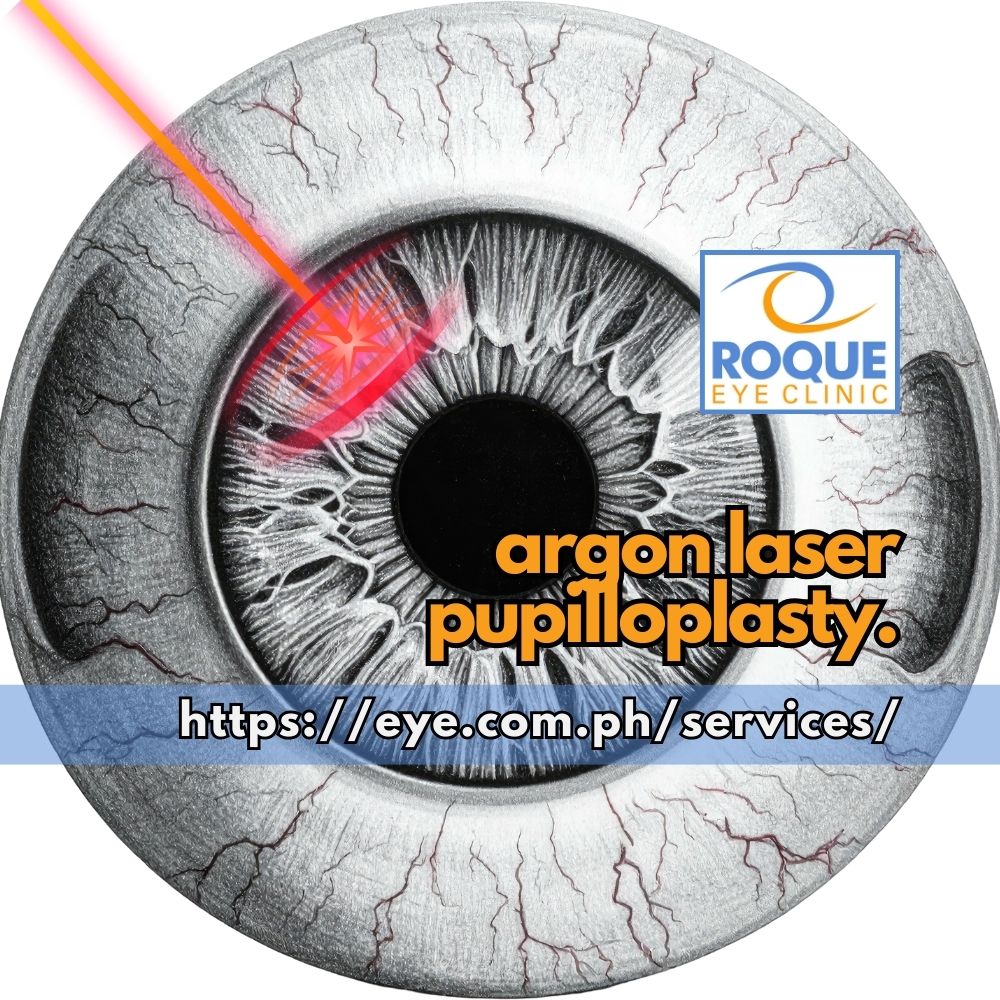
The ophthalmologist performs laser procedures in a controlled clinic setting. First, the eye receives dilating or numbing drops. Then, the doctor uses a focused laser beam to treat the affected area. For example, YAG laser clears cloudy membranes behind intraocular lenses, while Argon laser seals retinal tears or reduces abnormal blood vessels. As a result, these treatments restore clarity or protect the retina and optic nerve.
SERVICES THAT MAY BE INCLUDED
The ophthalmologist selects the most appropriate procedure based on the diagnosis.
1. YAG laser capsulotomy for cloudy vision after cataract surgery
2. YAG laser iridotomy for selected glaucoma cases
3. Argon laser photocoagulation for retinal tears or diabetic eye disease
4. Focal or grid laser treatment for macular conditions when indicated
5. Other targeted laser procedures based on clinical findings
WHO MAY BENEFIT
Patients with specific eye diseases that need targeted treatment may benefit from this service. In addition, patients with blurred vision after cataract surgery or early retinal problems often require laser care. Therefore, early treatment can prevent further damage and preserve useful vision.
RECOVERY AND EXPECTED OUTCOMES
Most patients complete the procedure within minutes and go home the same day. However, mild blurring, light sensitivity, or floaters may occur for a short time. Vision often improves or stabilizes within days. Because results depend on the underlying condition, the doctor schedules follow-up visits to monitor progress.
SAFETY AND CLINICAL CONSIDERATIONS
These procedures have strong safety records when trained specialists perform them. Still, each patient requires proper evaluation before treatment. Therefore, the ophthalmologist checks eye pressure, retina status, and overall eye health. Risks remain low but may include temporary discomfort, pressure changes, or inflammation. Careful follow-up helps ensure safe outcomes.
Showing all 11 resultsSorted by popularity
₱ 28,000.00
₱ 16,800.00
₱ 60,000.00
₱ 22,400.00
₱ 28,000.00
₱ 35,000.00
₱ 35,000.00
₱ 42,000.00
₱ 28,000.00
₱ 16,800.00
₱ 16,800.00