

THERAPEUTIC LASER SURGERY
Ophthalmic laser surgery uses focused light energy to treat a wide range of eye conditions. Because each laser type targets a specific tissue, the ophthalmologist selects the most suitable option based on your diagnosis. As a result, these procedures improve precision, reduce tissue damage, and support faster recovery.
TYPES OF LASER USED
Different lasers serve different purposes. Therefore, the choice depends on the condition and treatment goal.
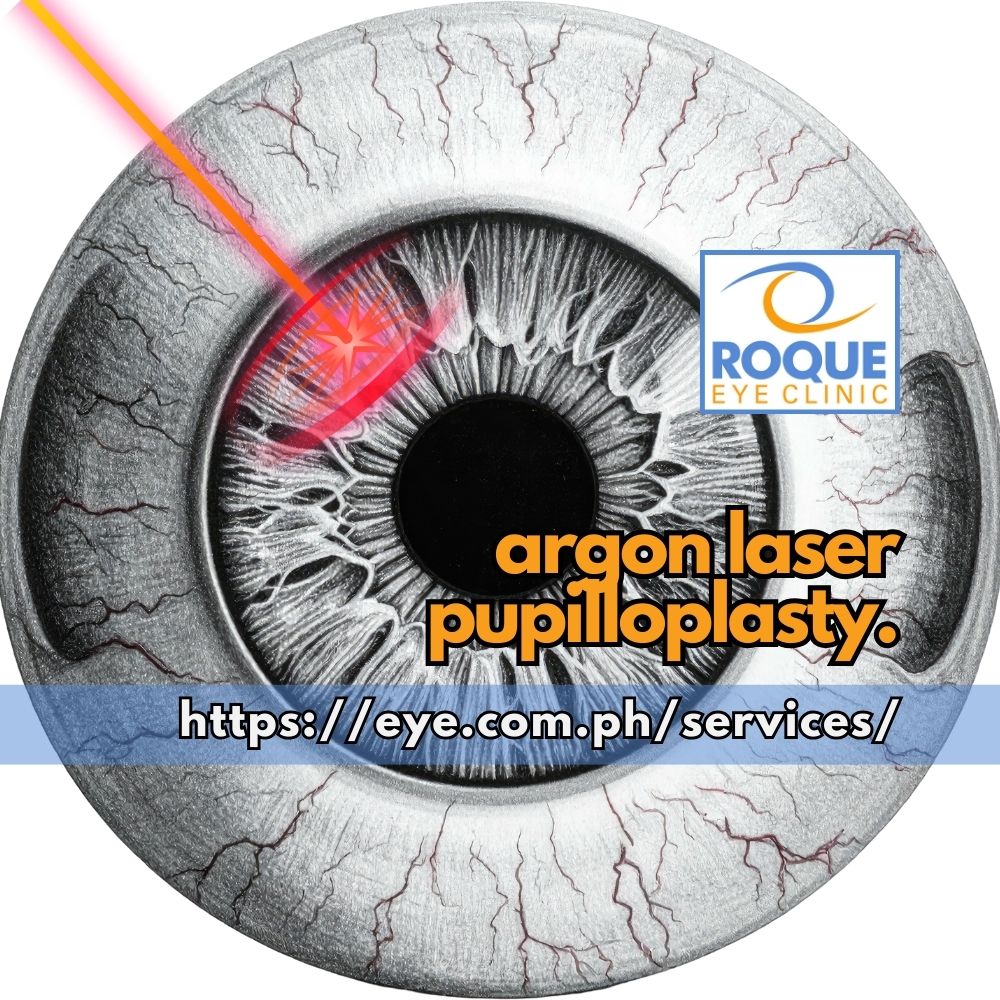
1. Argon laser treats retinal diseases such as diabetic retinopathy and retinal tears.
2. Excimer laser reshapes the cornea during vision correction procedures like PRK.
3. Femtosecond laser creates precise corneal incisions and assists in cataract surgery.
4. Nd:YAG laser clears cloudy lens capsules or treats certain glaucoma conditions.
5. Diode laser manages retinal disorders and performs selected glaucoma treatments.
WHAT THESE PROCEDURES TREAT
These laser treatments address several eye conditions. For example, they treat retinal diseases, glaucoma, refractive errors, and post-cataract clouding. In addition, they help prevent disease progression and preserve vision. Therefore, early and accurate treatment improves long-term visual outcomes.
HOW THE PROCEDURE WORKS
The ophthalmologist performs laser treatment in a controlled clinical or surgical setting. First, the doctor applies anesthetic drops to keep the eye comfortable. Then, the laser delivers controlled energy to the target tissue. Because the laser works with high precision, it treats the affected area while protecting surrounding structures.
WHO MAY BENEFIT
Patients with retinal disease, glaucoma, refractive error, or complications after cataract surgery may benefit from laser treatment. In addition, patients who need minimally invasive options often choose laser procedures. Therefore, this approach offers effective treatment with less downtime.
RECOVERY AND EXPECTED OUTCOMES
Most patients resume daily activities shortly after treatment. However, some may notice mild discomfort, light sensitivity, or temporary blurred vision. These effects usually improve within a short period. As a result, patients experience gradual improvement depending on the treated condition.
SAFETY AND CLINICAL CONSIDERATIONS
Laser procedures have strong safety records when performed by trained specialists. Still, each patient requires careful evaluation before treatment. Therefore, the ophthalmologist reviews risks, benefits, and alternatives before proceeding. Follow-up visits help ensure proper healing and optimal results.
₱ 80,661.00
₱ 28,000.00
₱ 16,800.00
₱ 62,071.00
₱ 117,787.00
₱ 60,000.00
₱ 36,915.00
₱ 51,633.00
₱ 77,408.00
₱ 36,200.00
₱ 84,000.00
₱ 22,400.00